Reservation
+90 532 168 34 04Reservation
+90 532 168 34 04
Once Upon a Time, There Was a Bezirhane…
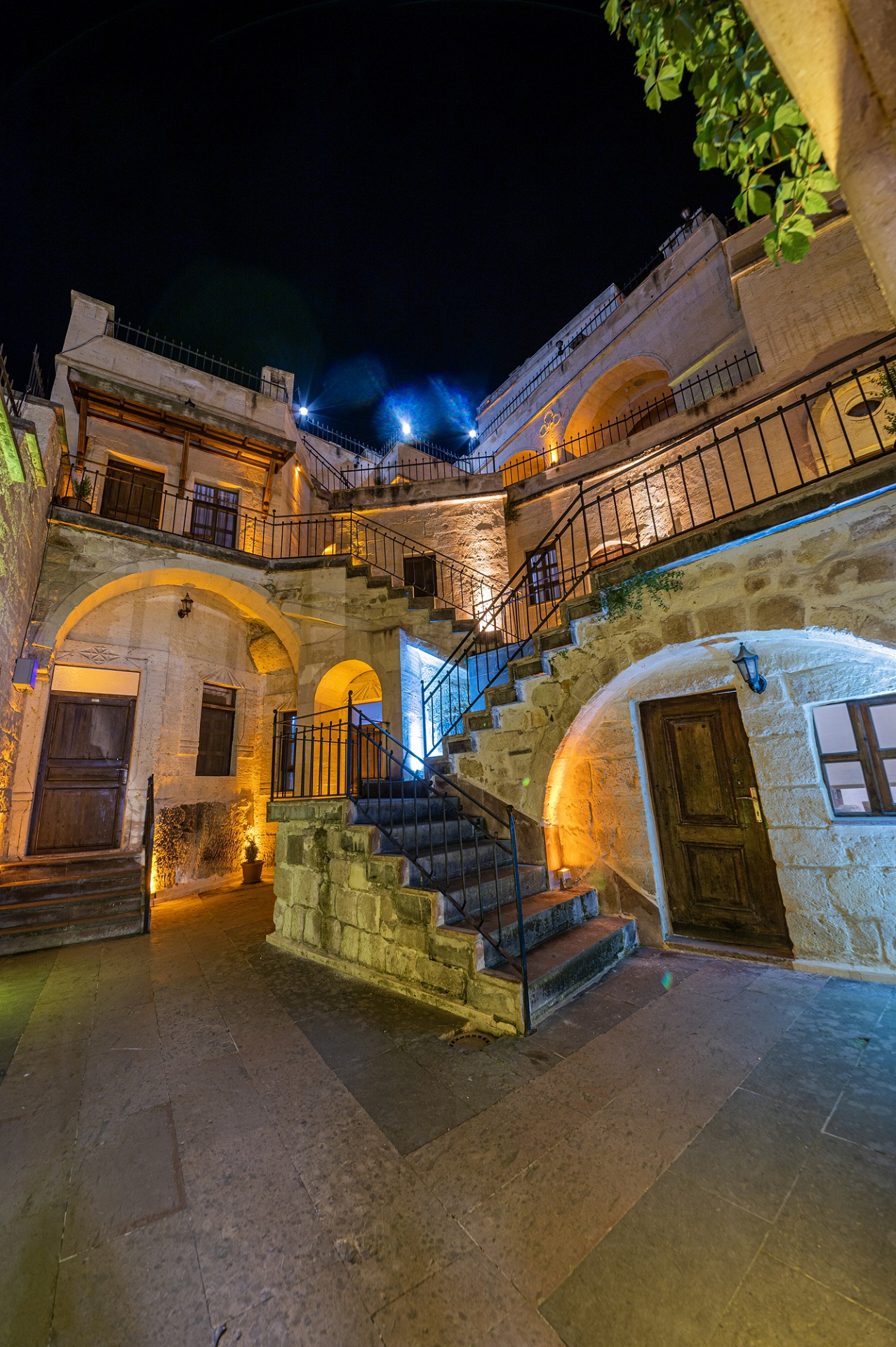
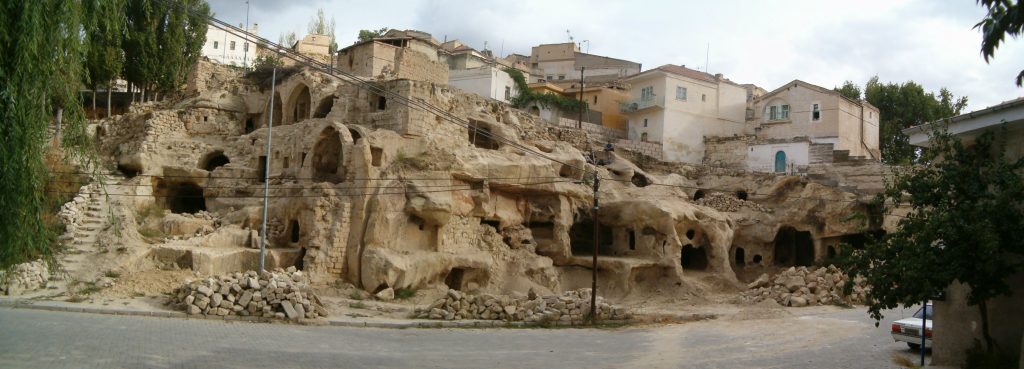
In the heart of Cappadocia, nestled within the timeless streets of Mustafapaşa, an old building stood in silence worn, weathered, yet dignified. It was once a mansion… and a Bezirhane a place where millstones turned and pure oil slowly trickled from a wooden press system.
For many years, this structure stood in silence sheltering only a few forgotten items. To some, it may have seemed like just another old building… But when we first set foot here, we felt it whispering something to us. We didn’t rush we listened. Gently, we began to uncover its soul. And soon we realized: this wasn’t just a place it was a story waiting to be told. And we became its next chapter.
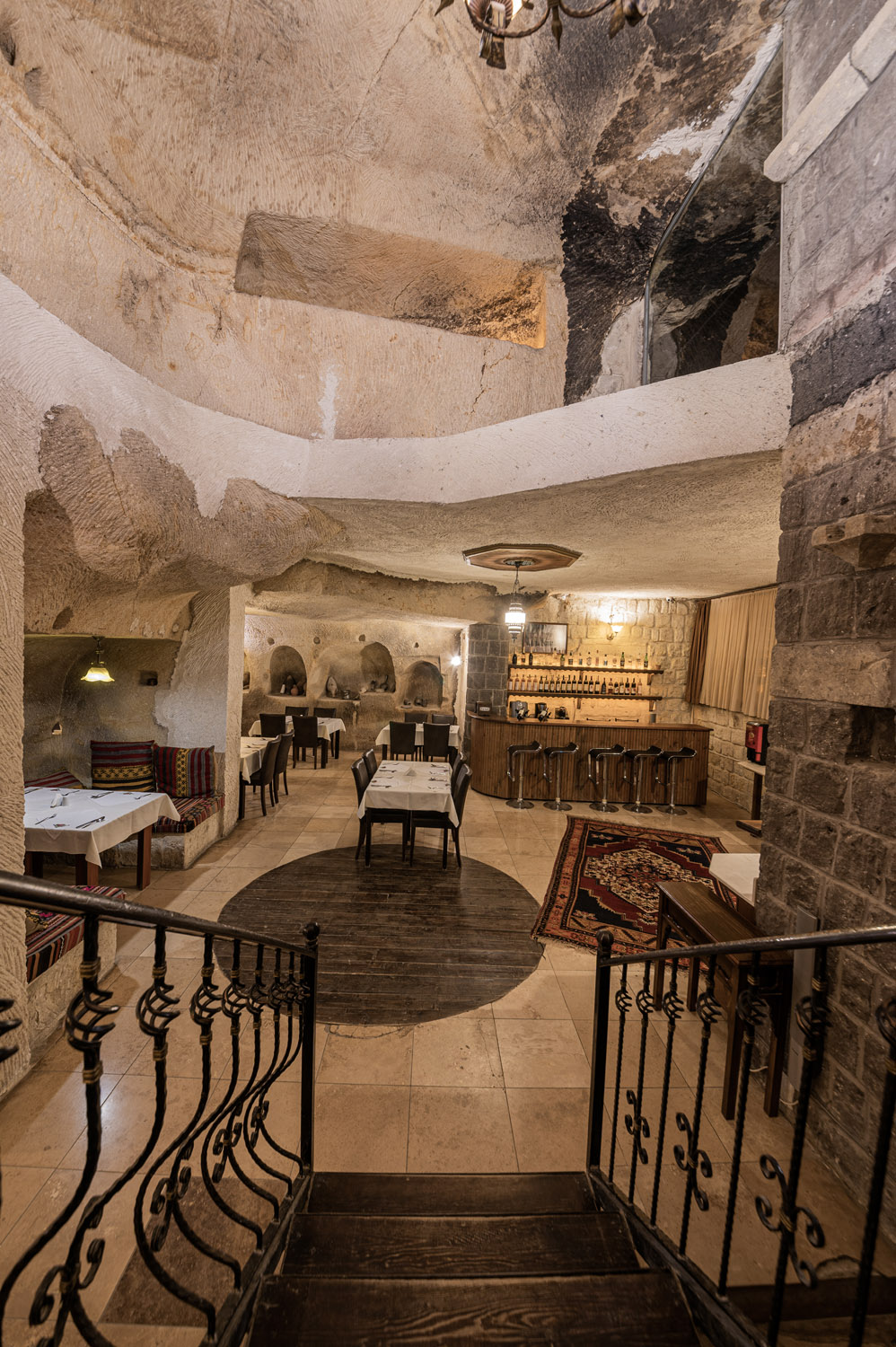
As we cleaned and uncovered, we found cave rooms untouched by time, arches and stone craftsmanship still standing strong, and a mill system with wooden screws that had long stories to tell. The essence was intact. The history alive.
Konak Bezirhane is more than just a hotel. It’s a preserved memory, a silent witness, a soulful experience.
We began this journey with the idea of building a hotel but in truth, we ended up sheltering a legacy.
Every stone whispers a story. Every room echoes the past.
And this place… is no longer just ours.
It belongs to everyone who feels its soul.
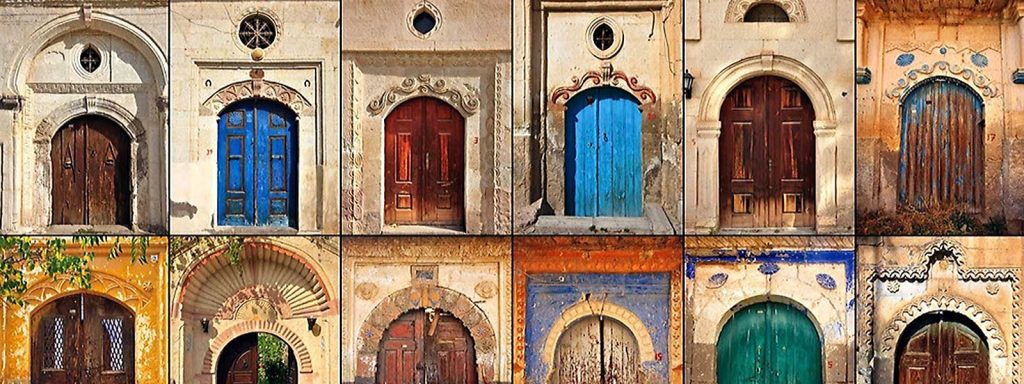
Mustafapaşa Village has been selected as one of the best tourism villages that preserve their communities, local customs, and cultural heritage through a program initiated by the United Nations World Tourism Organization (UNWTO) in May 2021. It was chosen as one of the “Best Tourism Villages” during the organization’s 24th general assembly held in Madrid, the capital of Spain. The village, formerly known as Sinasos, stands out with around 200 registered structures dating back to the 9th century AD, spanning from the Byzantine era to the Ottoman and early Republican periods, as well as its local culture and traditions. Mustafapaşa presents a unique cultural mosaic that successfully blends the common living culture of the non-Muslim and Muslim communities from the pre-exchange period with the richness brought by Macedonian immigrants through the population exchange.